Combating infectious diseases requires a global view of health, as the spread of disease is directly linked to living conditions: access to housing, education, hygiene, food, and water are all fundamental needs that affect population health. This multi-factor approach to health encompasses not only the absence of disease, but also individual physical, mental, and social well-being. In all the countries where we operate, our global health initiatives are conducted through partnerships on the ground, bringing us as close as possible to local communities and the circumstances specific to each region.
The Foundation engages in two types of operation:
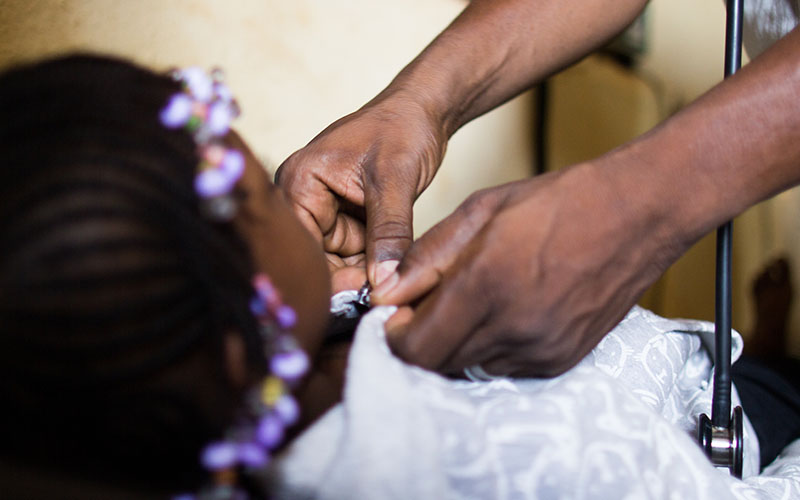
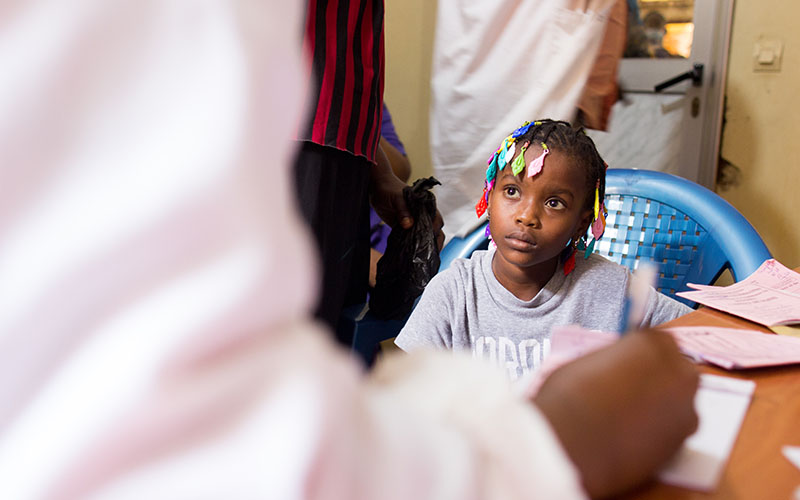
- Building, renovating, and extending primary health centers, with a particular focus on the needs of mothers and children, who are particularly vulnerable to disease in low- and middle-income countries. The health centers supported by the Foundation are equipped with disciplines often underrepresented in these regions, such as obstetrics and gynecology, and psychological therapy.
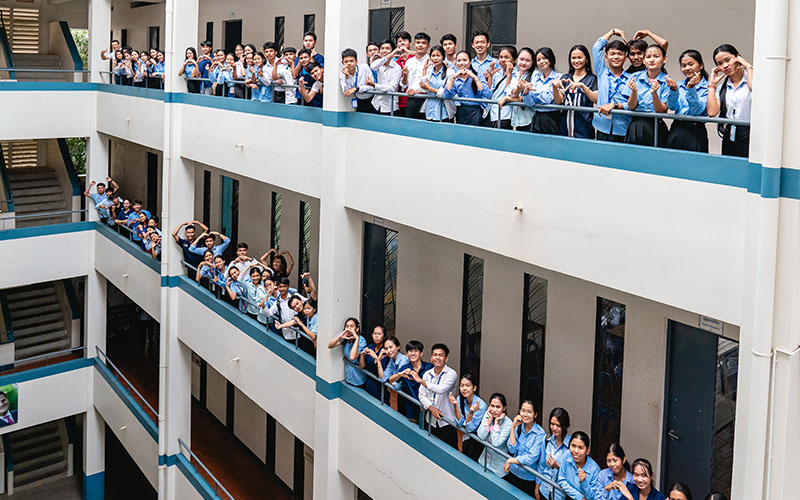
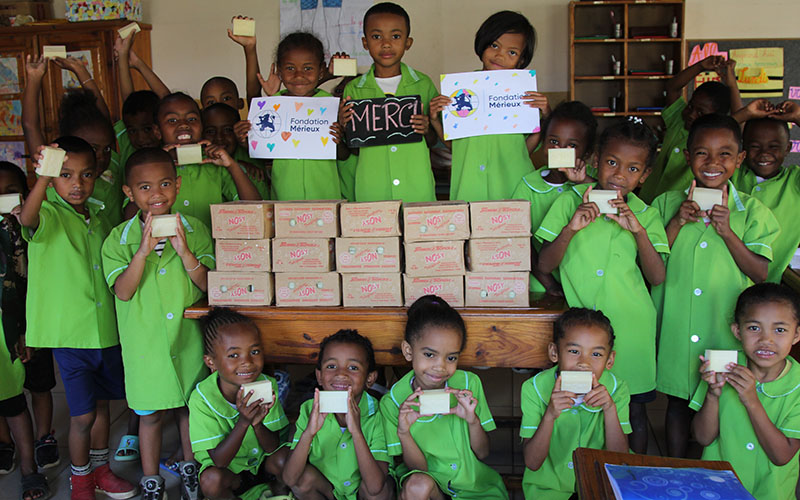
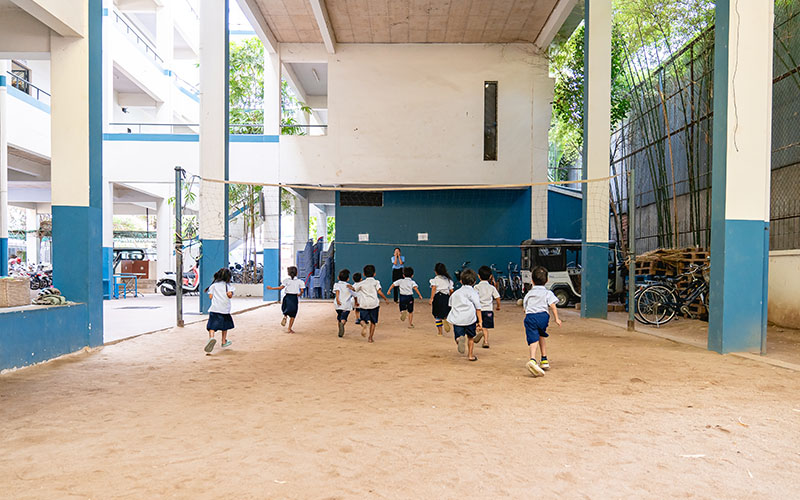
- Support for local organizations working to promote access to education and income-generating activities by building schools, providing teaching (from kindergarten to higher education), and offering vocational training to help people find long-term employment. We also support health and hygiene education initiatives to teach children how to avoid contracting infections.
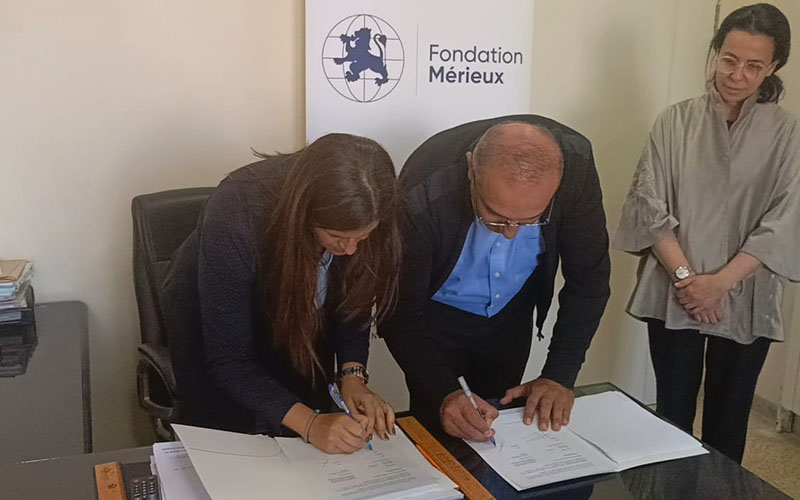
Finally, the Mérieux Foundation responds to emergency situations such as conflicts and natural disasters. At a time when such situations are multiplying, leading to large-scale migration, we support local players who operate in direct contact with beneficiary populations. We have forged long-lasting partnerships with active associations such as Samusocial International in Africa, Enfants du Mékong in Asia, and Akamasoa in Madagascar.