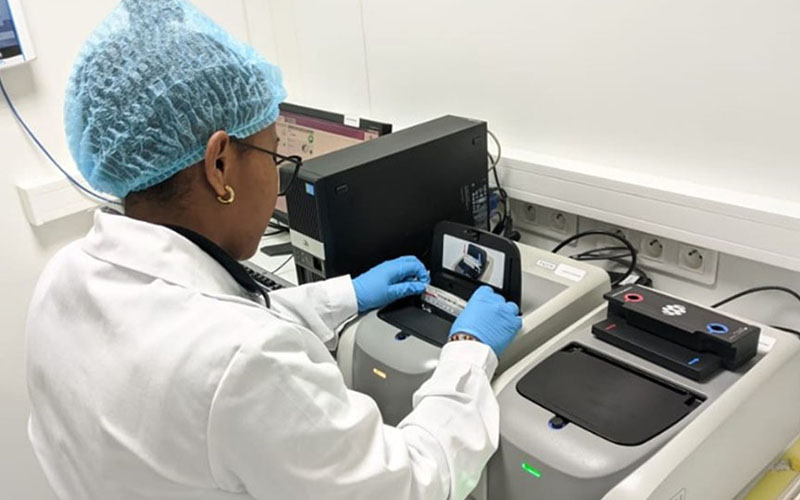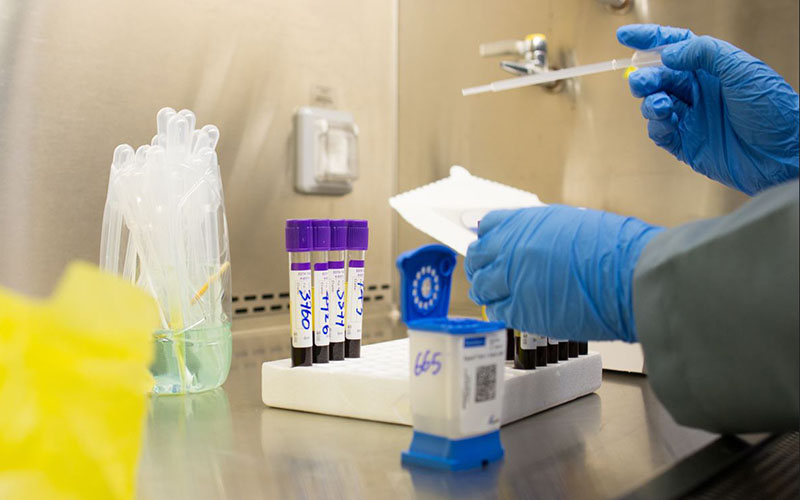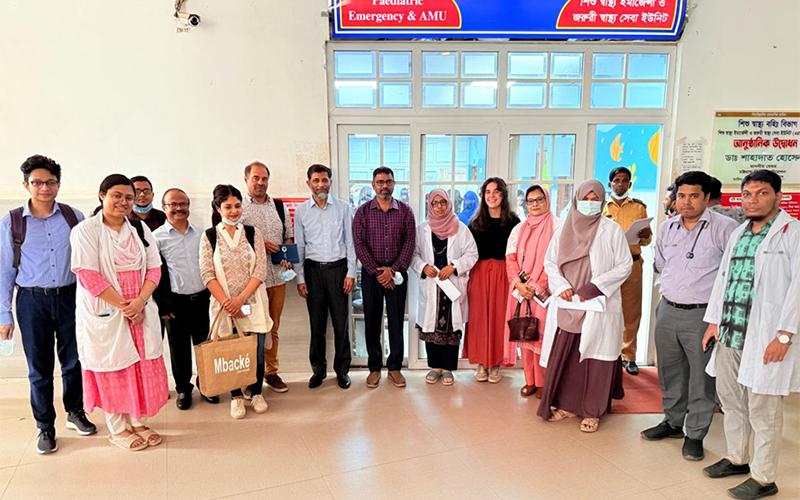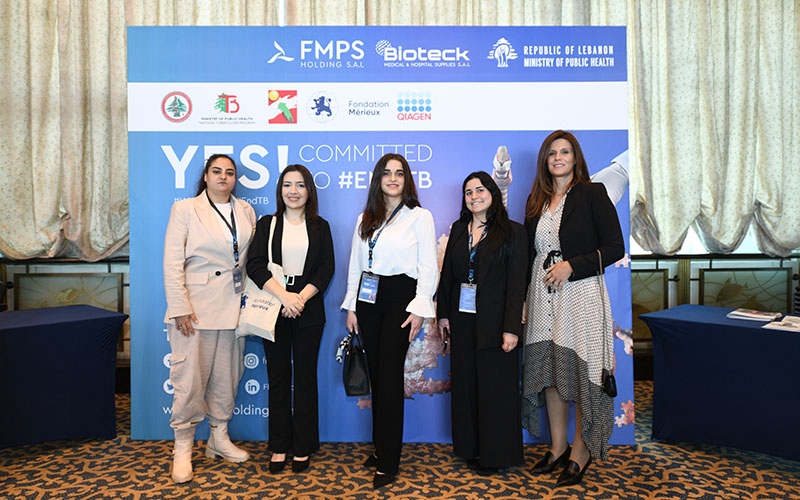
Often on the front line in dealing with emerging epidemics, low- and middle-income countries face major challenges in developing the long-term scientific capacity needed to generate reliable data, detect epidemics quickly, and respond effectively. In response to this problem, the Mérieux Foundation works to support diagnostic research and innovation on four priority themes: acute respiratory infections, tuberculosis, antimicrobial resistance, and emerging pathogens.
Our work is driven by a strong focus on partnerships, as illustrated by the GABRIEL network of laboratories of excellence located in infectious disease hot spots, with many members having been named as national reference laboratories in their respective countries. Despite the humanitarian and political crises affecting many countries in which the Foundation operates, combined with a weakening of development aid budgets, its work continues, driven by the mobilization of our teams and partners throughout the world.
Meeting community needs through innovation
The development of rapid, non-invasive diagnostic innovations constitutes a major potential source of optimization for countries with limited resources, as these solutions compensate for the weakness of the available infrastructure and make it possible to bring tests closer to the people who need them. Serving as an interface between researchers, public health institutions, and communities, the Mérieux Foundation’s work aims to link innovation with needs on the ground. Our projects assess the performance of innovations in real-world conditions, to validate their potential scalability and formulate recommendations for local authorities with a view to developing appropriate strategies, particularly for surveillance.
Partnerships based on excellence
We support the establishment of collaborations between laboratories on the ground and centers of expertise in France, such as the French national agency for the health and safety of food, the environment, and work (ANSES) for antimicrobial resistance, the Hospices Civils de Lyon for tuberculosis, and the VirPath laboratory for acute respiratory infections.