The world experienced profound upsets of many kinds in 2025. We are now dealing with a completely unpredictable environment, where the traditional balancing forces no longer exist. As conflicts multiply and violence continues to rise, the need for healthcare has exploded. Increasingly precarious living conditions, armed conflict, and climate disruption provides fertile soil for the spread of infectious diseases.
Humanity faces more and more emerging or re-emerging infections: widespread mpox in Africa and Madagascar, the return of Ebola in the Democratic Republic of the Congo in a particularly virulent form, the hantavirus alert, etc. The threat of infectious disease has never been so present, affecting vulnerable populations even more heavily, at a time when development agencies are facing drastic reductions in international humanitarian aid as certain major countries turn inwards.
The Mérieux Foundation has successfully faced up to this context despite the difficulties, demonstrating the resilience of its model.
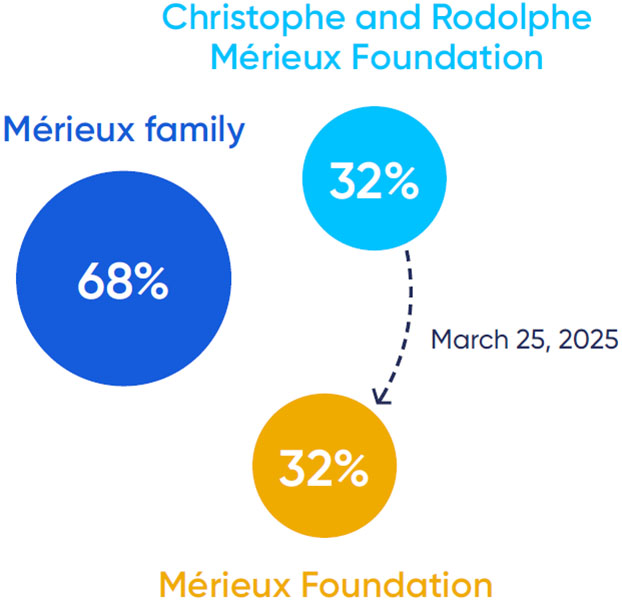
Against this backdrop, the merger between the Fondation Christophe et Rodolphe Mérieux and the Mérieux Foundation, in effect since April 2025, makes perfect sense, giving our actions a new sustainability and stability and helping to ensure they remain effective and coherent over the long term.
The Mérieux Foundation was thus able to provide urgent help to long-standing partners facing dramatic situations—in Haiti, for example, where it renewed its decisive support for GHESKIO and the Léogâne children’s homes, and in Lebanon, with increased aid to health centers.
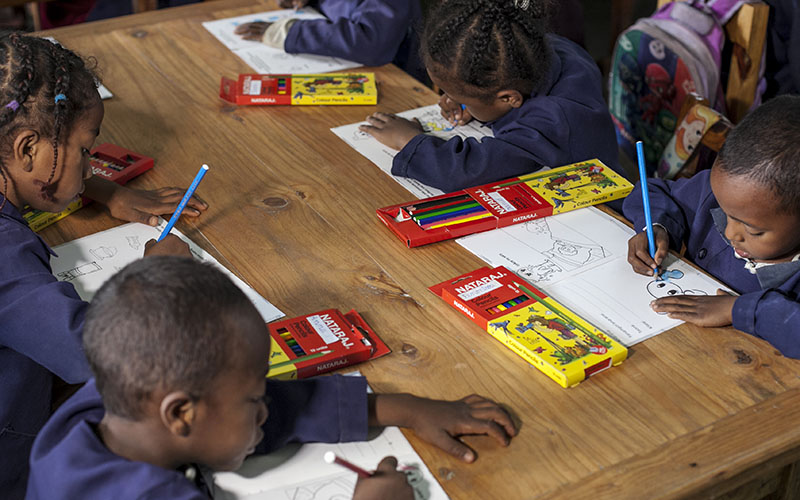
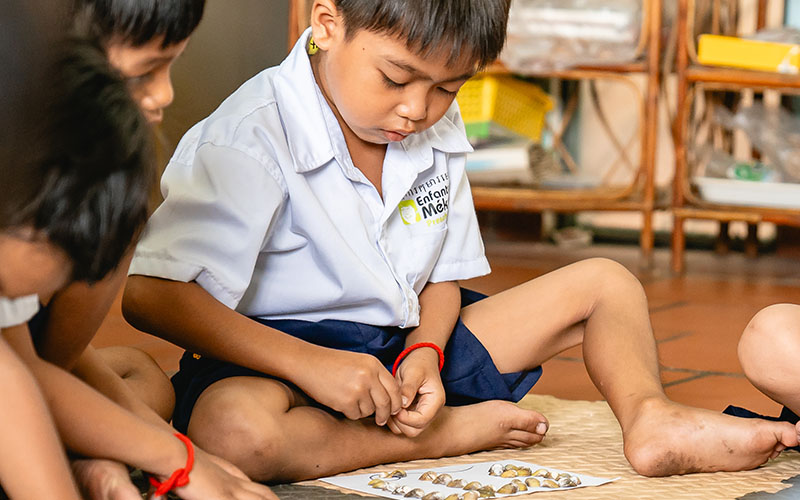
At the same time, our Foundation continued its far-reaching activities in the field of diagnostics, training, knowledge sharing, and care for the most fragile members of society—mothers and children.
The P3 laboratory being built at the Institut Pasteur du Maroc is currently being finalized, for example. Opening in late 2026, it will join GABRIEL, an international network of 22 laboratories working to improve epidemiological surveillance and public health. New mother and child health centers have been opened in Lebanon and Senegal. Preparing for the future, we continue to strengthen our partnership agreements on the ground, such as our work with the Oswaldo Cruz Foundation in Brazil.
The fight against infectious diseases and epidemiological surveillance are global priorities, as recent epidemics have forcefully reminded us. They require constant vigilance and the ability to respond immediately, which are central commitments of our Foundation.
To ensure the continuity of its public health mission in the long term, the Foundation is adapting to a new world order:
We are restructuring our organization to emphasize the importance of the regions, empowering them to take full control of their development with a view to long-term appropriation. This vision was at the core of our thinking 20 years ago, when we chose to hand over the laboratories we created to our local partners, given that they know more about the realities on the ground than we do.
We are strengthening joint funding mechanisms with new partners to optimize the resources available and respond to growing needs as international aid becomes ever-scarcer.
In international forums, we are speaking out on behalf of our partners from countries with limited resources to give greater power to voices from the South and strengthen a dialog that is now more essential than ever.
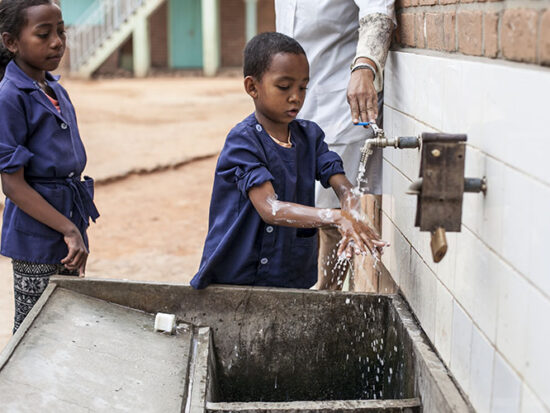
Among all these initiatives, we aim to remain faithful to our long-standing, highly operational vision of global health by targeting all the factors that influence health. Alongside vital epidemiological surveillance and the necessity of providing medical care for patients, we also want to act on animal health, nutrition, food safety, water, and the environment, together with education and training. An approach directly inspired by Pasteur’s vision, which has guided our Foundation for nearly 60 years, breaking down barriers between human, animal, and environmental health and looking beyond political divisions.
In the brutal and uncertain world we inhabit, we have no choice but to adapt, which involves taking risks and acting without fear. We owe it to our partners, who have been with us for many years, working tirelessly on the ground to fight back against the threat of infection and offering their fellow citizens a better future. They set an example of humanity for us all.
We are proud to work alongside them.
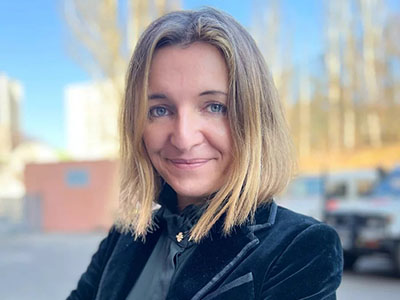
Dorothée Lintner, Director General
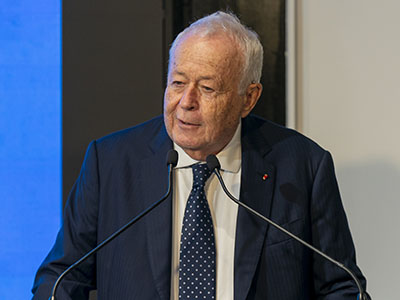
Alain Mérieux, President